Jaw Pain or Tenderness
Discomfort may occur around the jaw joint, cheek, temples or muscles used for chewing.
Dealing with jaw pain, clicking, stiffness, headaches, teeth grinding or difficulty opening your mouth? Learn what TMJ and TMD symptoms can mean, how jaw problems are assessed, and what treatment options may be considered in Toronto.
Jaw pain is not always simply a dental problem. Clicking, stiffness, headaches, difficulty chewing and changes in how your jaw moves can have several possible causes. A proper assessment helps determine whether your symptoms are related to the temporomandibular joint, the muscles used for chewing, teeth clenching or another condition.
The temporomandibular joints, commonly called the TMJs, are the two joints that connect your lower jaw to your skull. They work together with the muscles around your jaw to help you speak, chew, swallow and open and close your mouth.
When people search for TMJ treatment Toronto, they are often referring to pain or dysfunction around these joints. However, jaw symptoms can also involve the chewing muscles or other structures around the face and neck.
This is why the first step is understanding the symptoms and their pattern rather than assuming that every clicking jaw or headache requires the same treatment.
The terms TMJ and TMD are often used interchangeably online, but they do not technically mean the same thing.
| Term | What It Means | Why It Matters |
|---|---|---|
| TMJ | The temporomandibular joint itself. | It is the anatomical joint that connects the jaw to the skull. |
| TMD | Temporomandibular disorders — a broader group of conditions affecting the jaw joints and/or chewing muscles. | Symptoms and treatment can vary depending on the underlying problem. |
In everyday conversation, people commonly search for terms such as TMJ disorder Toronto, TMJ dentist Toronto or TMJ treatment near me when they are experiencing jaw-related symptoms.
TMJ and TMD symptoms can vary considerably from one person to another. Some people notice occasional jaw noises without pain, while others experience persistent discomfort or restricted jaw movement.
Discomfort may occur around the jaw joint, cheek, temples or muscles used for chewing.
Sounds may occur when opening or closing the mouth. A jaw noise by itself does not necessarily mean treatment is required.
You may notice difficulty opening your mouth fully or discomfort when moving the jaw.
Jaw discomfort or limited movement may make chewing harder or less comfortable.
Some people with TMD experience pain around the temples, face or other areas of the head.
Episodes of locking or significantly restricted jaw movement should be professionally evaluated.
Clicking or popping without pain is common and does not automatically mean that treatment is necessary. Persistent pain, locking, restricted movement or difficulty eating should be assessed.
There is not always one clear cause of TMD. Jaw symptoms may involve the joint, chewing muscles or a combination of factors.
It is important not to assume that every case of jaw pain is caused by an incorrect bite. A proper evaluation is needed before deciding what is contributing to an individual's symptoms.
Occasional jaw sounds without discomfort may not require treatment. However, an assessment is worth considering when symptoms are persistent, worsening or interfering with normal activities.
If you are searching for a TMJ dentist near me or jaw pain dentist Toronto, the most useful first step is a clinical assessment that considers your symptoms, history and jaw function.
There is no single test that identifies every temporomandibular disorder. Assessment generally begins with your symptoms and medical and dental history, followed by an examination of the jaw, face and surrounding structures.
Your dentist may ask when the pain began, where it occurs, what makes it better or worse and whether you notice clicking, locking, grinding or clenching.
The assessment may include observing how the jaw opens and closes, checking movement and examining areas of tenderness around the jaw and chewing muscles.
Depending on the symptoms and clinical findings, imaging such as dental X-rays, CT or MRI may sometimes be considered to evaluate particular structures.
Treatment should be based on the individual's symptoms, findings, goals and the suspected source of the problem rather than applying the same procedure to every patient.
TMJ treatment in Toronto can involve different approaches depending on the type and severity of symptoms. In many cases, conservative approaches are considered before more invasive procedures.
Depending on the condition, recommendations may include temporarily choosing softer foods, avoiding excessive gum chewing and reducing habits that place unnecessary strain on the jaw.
Certain patients may benefit from exercises or physical therapy approaches designed to improve jaw movement and address muscle-related problems.
An oral appliance or night guard may be considered in selected situations, particularly when clenching or grinding is part of the clinical picture.
Depending on the circumstances, a healthcare professional may recommend medication to help manage pain or inflammation.
Identifying daytime clenching, excessive jaw tension or other habits may be part of a broader approach to managing symptoms.
More invasive interventions may be considered in selected cases when conservative approaches are insufficient and the clinical situation warrants further treatment.
The appropriate treatment depends on the individual's diagnosis. A consultation is therefore more useful than choosing a treatment based solely on a symptom or online search result.
Teeth grinding and clenching, commonly referred to as bruxism, can be associated with jaw muscle discomfort and tooth wear. Some patients therefore search for a TMJ night guard Toronto or night guard for TMJ.
A night guard is not automatically appropriate for every person with jaw pain. The design and purpose of an oral appliance should be considered in relation to the patient's symptoms and clinical findings.
Ansarian Dental Clinic provides night guard treatment in Toronto as part of its TMJ-related dental services.
If you are considering TMJ therapy Toronto or are searching for a TMJ specialist Toronto, your first appointment should focus on understanding what is happening rather than automatically committing you to a particular procedure.
Explain the pain, clicking, stiffness, headaches, grinding, clenching or other symptoms you have noticed.
Your jaw movement and relevant oral structures can be evaluated to help understand the possible source of your symptoms.
If treatment is appropriate, options can be discussed according to the clinical findings and your individual needs.
Follow-up allows the treatment approach to be reviewed and adjusted when appropriate.
Patients looking for TMJ treatment in Toronto may arrive with a mixture of symptoms — jaw pain, clicking, muscle tension, headaches, grinding or difficulty opening the mouth.
The symptom is only the starting point. The more important question is what may be contributing to it and whether treatment is actually necessary.
At Ansarian Dental Clinic, the TMJ treatment process begins with an initial consultation and assessment, followed by a personalized treatment plan and follow-up when needed.
This patient-centred approach is important because jaw symptoms can differ significantly between people. The intended goal is not to promise a universal cure, but to help establish a clearer understanding of the problem and determine an appropriate next step.
Ansarian Dental Clinic is located in downtown Toronto and provides dental services including TMJ treatment and night guard services.
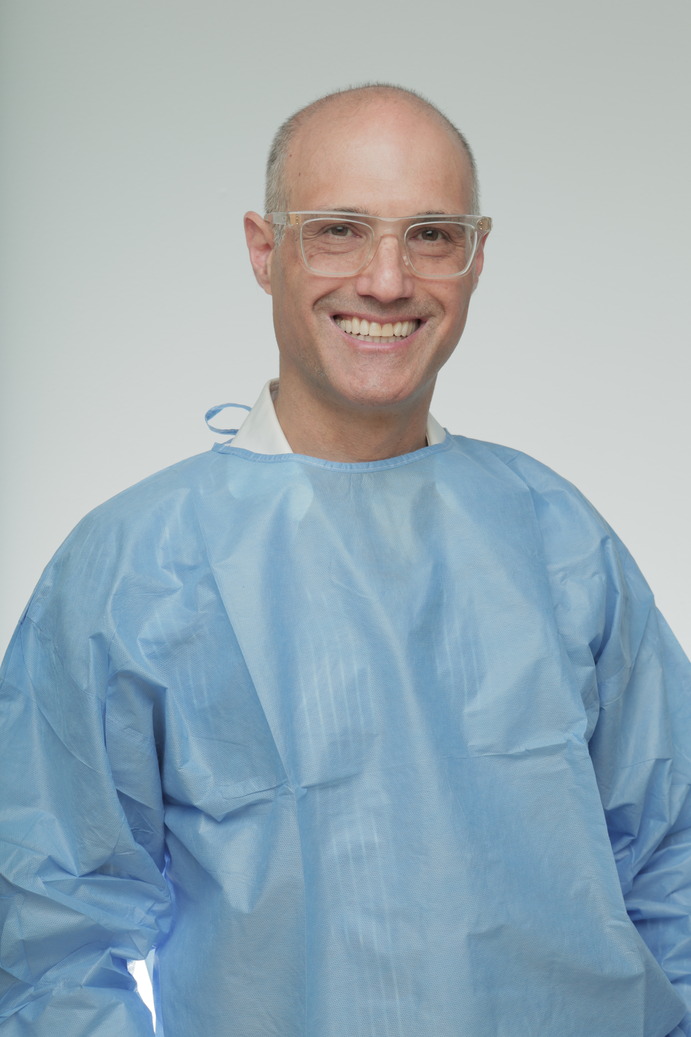
The clinic's website identifies Dr. Keivan Ansarian as a dentist and describes the clinic as using modern dental technology, with an emphasis on safety, confidentiality and a welcoming environment.
Ansarian Dental Clinic
332 Richmond St W
Toronto, ON M5V 1X2
For appointments: Contact Ansarian Dental Clinic
Depending on the cause of your symptoms, simple measures may help reduce strain on the jaw while you arrange an assessment.
Home care should not be viewed as a substitute for professional evaluation when symptoms are persistent or significant.
Depending on your symptoms and overall dental needs, other services at Ansarian Dental Clinic may also be relevant.
TMJ treatment refers to care aimed at managing temporomandibular joint or related jaw-muscle problems. The appropriate approach depends on the individual's symptoms and clinical findings.
No. TMJ refers to the temporomandibular joint itself, while TMD refers more broadly to temporomandibular disorders involving the jaw joints and/or chewing muscles.
Symptoms may include jaw pain, muscle tenderness, stiffness, difficulty chewing, restricted movement, painful clicking or popping, headaches and episodes of jaw locking.
Not necessarily. Jaw clicking without pain or functional problems can occur without requiring treatment. A professional assessment is more important when clicking is painful or accompanied by restricted movement, locking or other symptoms.
Teeth clenching and grinding can place additional load on the teeth and chewing muscles and may be associated with jaw discomfort in some people.
Not everyone with TMJ symptoms needs a night guard. Whether an oral appliance is appropriate depends on the individual's symptoms, examination and treatment goals.
Treatment duration varies depending on the nature of the problem, the symptoms involved and the approach recommended. A dentist can provide a more specific timeline after assessment.
Some people with temporomandibular disorders experience headaches or pain around the temples. However, headaches can have many causes, so jaw symptoms should be assessed rather than assuming TMJ is responsible.
The experience depends on the treatment being considered. Many initial approaches are conservative. Your dentist can explain what to expect from any recommended treatment before proceeding.
If you are searching for TMJ treatment near you in Toronto, consider a dental clinic that can evaluate your symptoms and discuss an individualized treatment plan. Ansarian Dental Clinic is located at 332 Richmond St W in downtown Toronto.
A proper assessment can help you understand what may be contributing to your symptoms and what treatment options may be appropriate for your situation.
Book a TMJ Consultation